Silicone Softener

Introduction

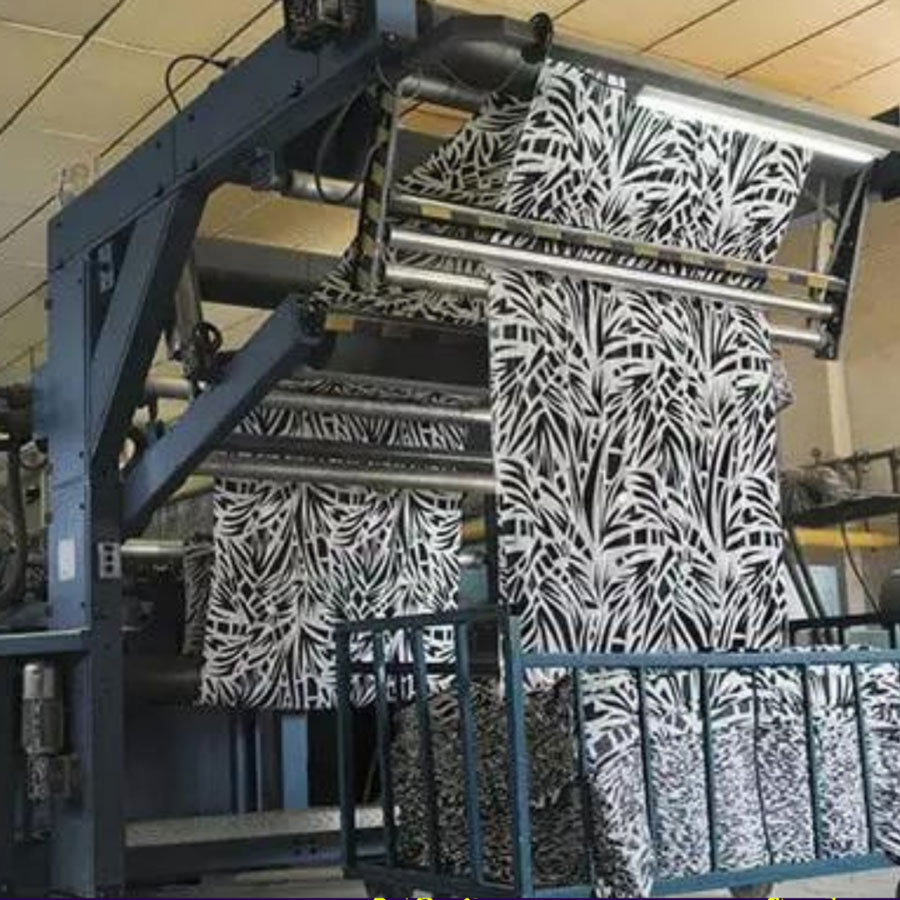
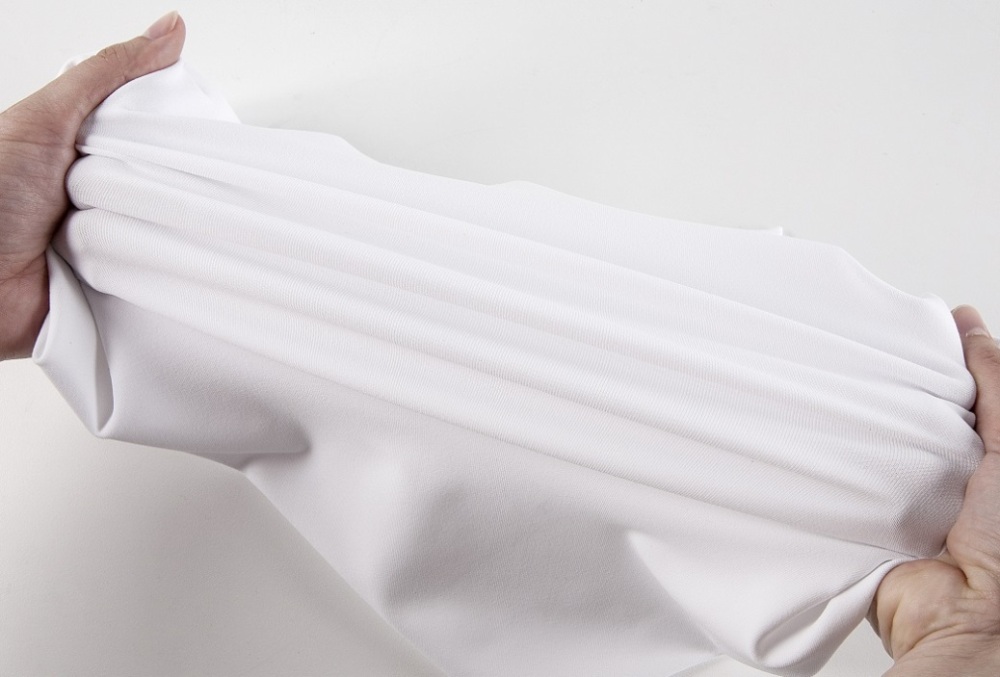
Silicone softeners are among the most widely used finishing agents in the textile industry. Due to their ability to provide softness, smoothness, shine, and enhanced fabric hand feel, they hold a significant position in the production of garments, home textiles, and industrial fabrics. This article reviews the features, advantages, disadvantages, and applications of silicone softeners.
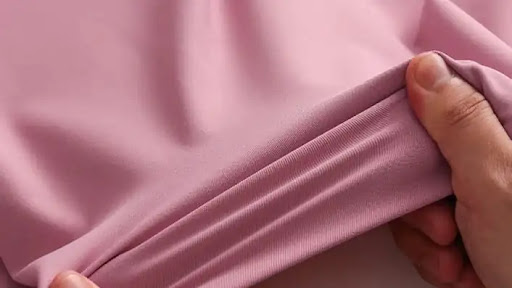
what-are-textiles-1.jpg


What Is a Silicone Softener?

A silicone softener is a chemical product based on silicone polymers used during the fabric finishing process. It forms a thin film on the surface of fibers, reducing friction between them and creating a soft and smooth touch.Thanks to their unique molecular structure, silicones offer excellent flexibility and heat resistance, making them highly popular in textile processing.

Advantages of Silicone Softeners

1. Superior Softness

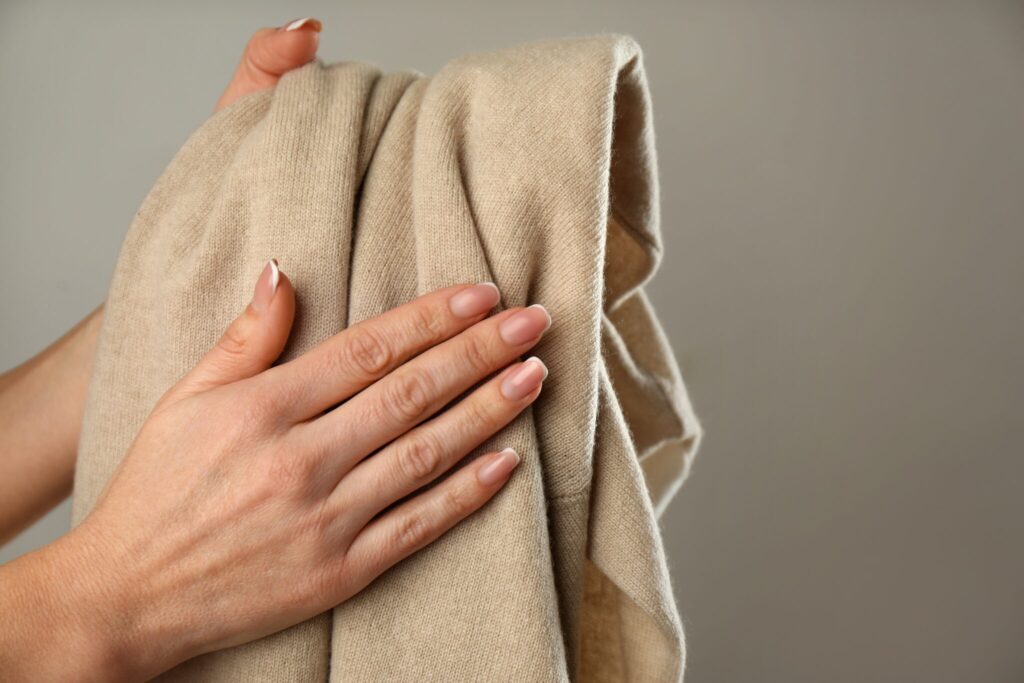
Silicone softeners provide a silky and smooth hand feel that is more durable compared to conventional softeners.

2. Enhanced Fabric Luster

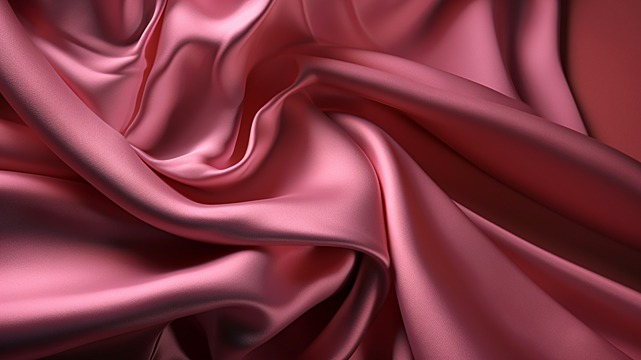
They improve the visual appearance and brightness of fabrics.

3. Improved Elasticity

In certain fabrics, silicone softeners enhance flexibility and stretch recovery.

4. Reduced Wrinkling

They help minimize fabric wrinkling and make ironing easier

5. Increased Abrasion Resistance

By lowering fiber friction, they improve the durability of the fabric.


Disadvantages of Silicone Softeners

  • Overuse may cause excessive slipperiness.

  • In some cases, moisture absorbency may decrease.

  • They are generally more expensive than conventional softeners.

Types of Silicone Softeners

Common types include:

  • Amino silicone

  • Micro-emulsion silicone

  • Macro-emulsion silicone

  • Modified silicone


Each type is selected depending on the final application of the fabric.

Applications

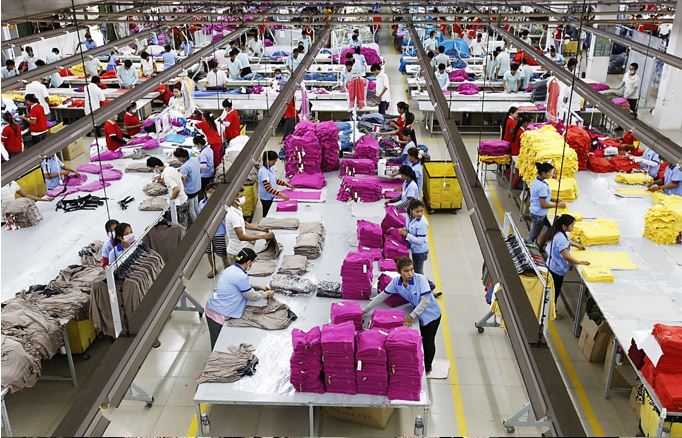
  • Men’s and women’s garments

  • Sportswear

  • Home textiles (bed sheets, curtains, towels)

  • Industrial fabrics


Conclusion

Silicone softeners are among the most effective finishing agents in the textile industry, significantly improving fabric softness, appearance, and durability. When properly selected and applied, they can greatly enhance the final product quality. However, correct dosage and compatibility with the fabric type are essential for achieving optimal results.


Scroll to Top
Scroll to Top