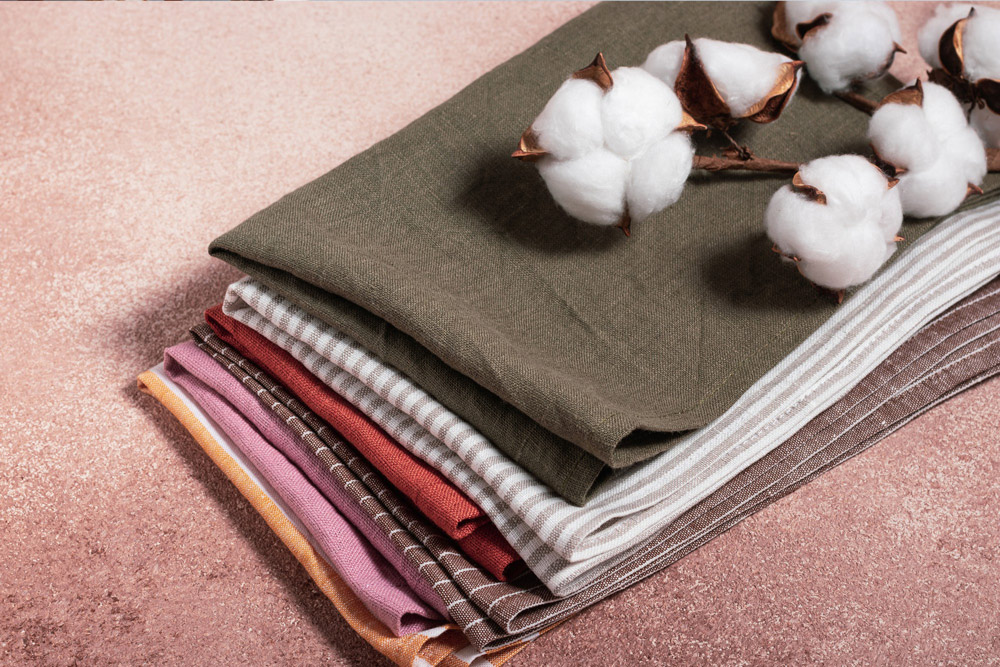
Hydrophilic Softener

Introduction

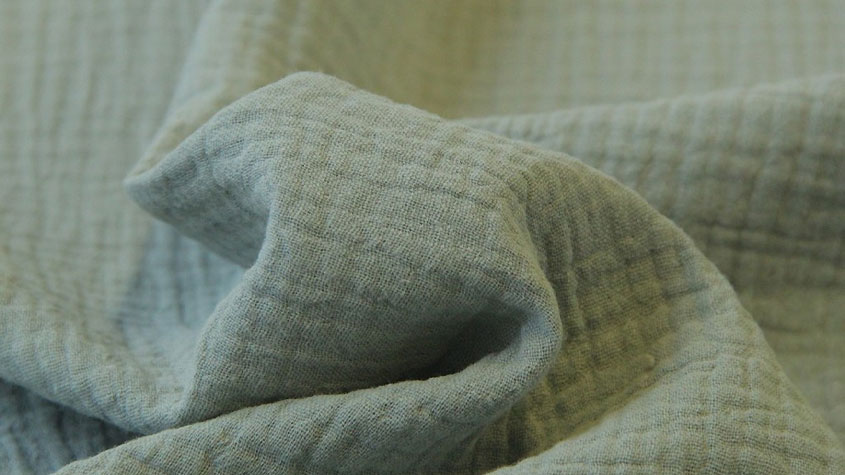
In the textile industry, achieving fabric softness while maintaining moisture absorbency is a key challenge in finishing processes. Many softeners, especially conventional silicone-based ones, provide excellent softness but may reduce water absorbency. Hydrophilic softeners offer an effective solution by balancing softness with moisture absorption.


What Is a Hydrophilic Softener?

A hydrophilic softener is a textile finishing agent that provides softness while maintaining or enhancing the fabric’s ability to absorb moisture. These softeners are typically based on modified silicone compounds or specialized polymers containing hydrophilic functional groups.This allows treated fabrics to retain excellent water absorbency, breathability, and wearer comfort.
Key Features of Hydrophilic Softeners

1. Maintains Water Absorbency

Unlike conventional softeners, it does not block water penetration into fibers.

2. Provides Excellent Softness

Delivers a smooth and pleasant fabric hand feel.

3. Uniform Distribution

Ensures even performance across the fabric surface.

4. Compatibility with Dyeing Processes

Generally does not negatively affect fabric color.

5. Suitable for Skin-Contact Textiles

Ideal for garments worn directly on the skin.

Applications in the Textile Industry

  • Towels and bath textiles

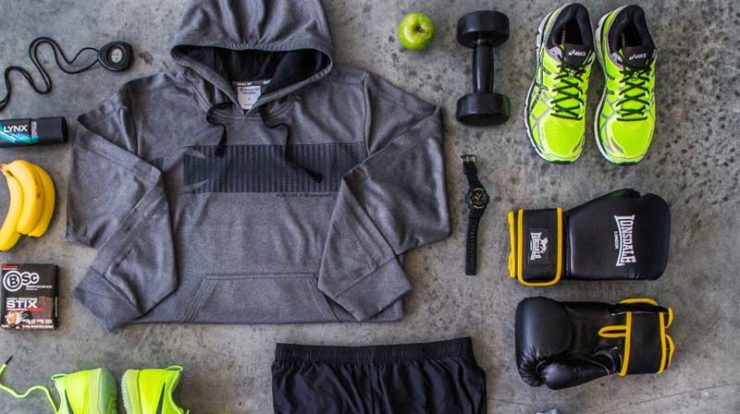
  • Sportswear and performance clothing

  • Underwear and loungewear

  • Cotton and viscose fabrics

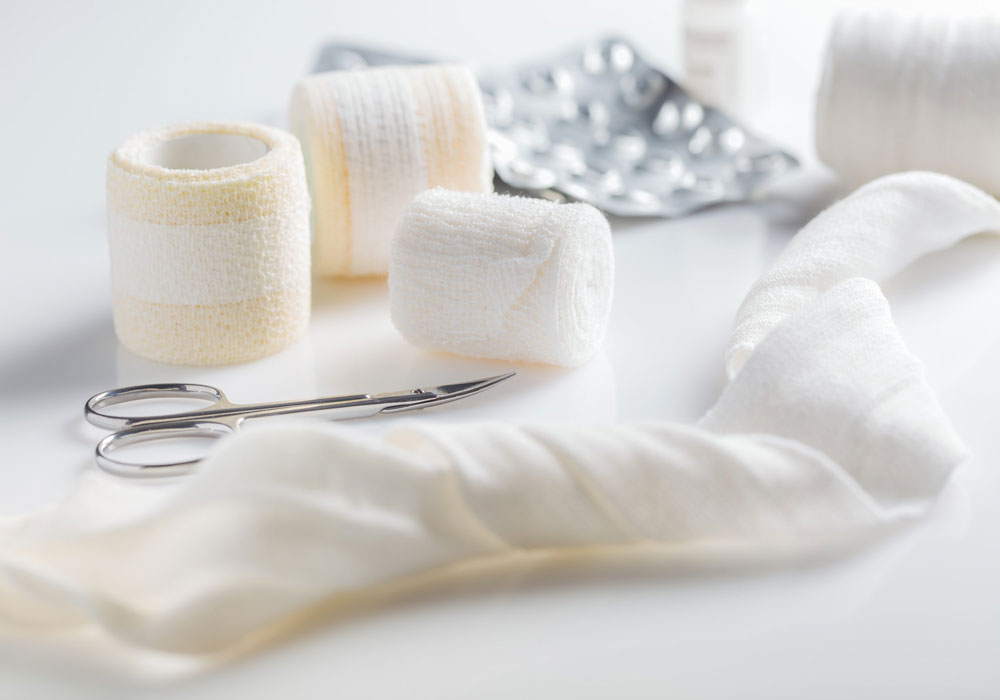
  • Medical and hygiene textiles


Advantages of Hydrophilic Softeners

  • Improved wearer comfort due to better moisture absorption

  • Prevention of sticky or heavy fabric feel

  • Enhanced performance under perspiration conditions

  • Added value to finished textile products

Important Usage Considerations

  • Select according to fiber type

  • Control dosage to avoid affecting other properties

  • Ensure compatibility with other finishing agents

  • Maintain proper temperature and pH conditions

Conclusion

Hydrophilic softeners are advanced finishing agents that enable both softness and moisture absorbency in textiles. This makes them ideal for high-quality fabrics, especially in sportswear and hygiene applications. Proper use of these softeners can provide a strong competitive advantage for textile manufacturers.

Scroll to Top
Scroll to Top