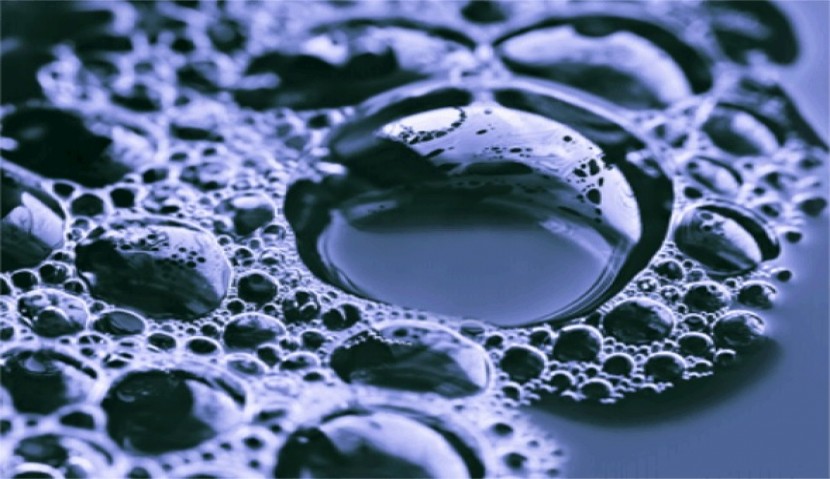
Oil-Based Defoamer

Introduction

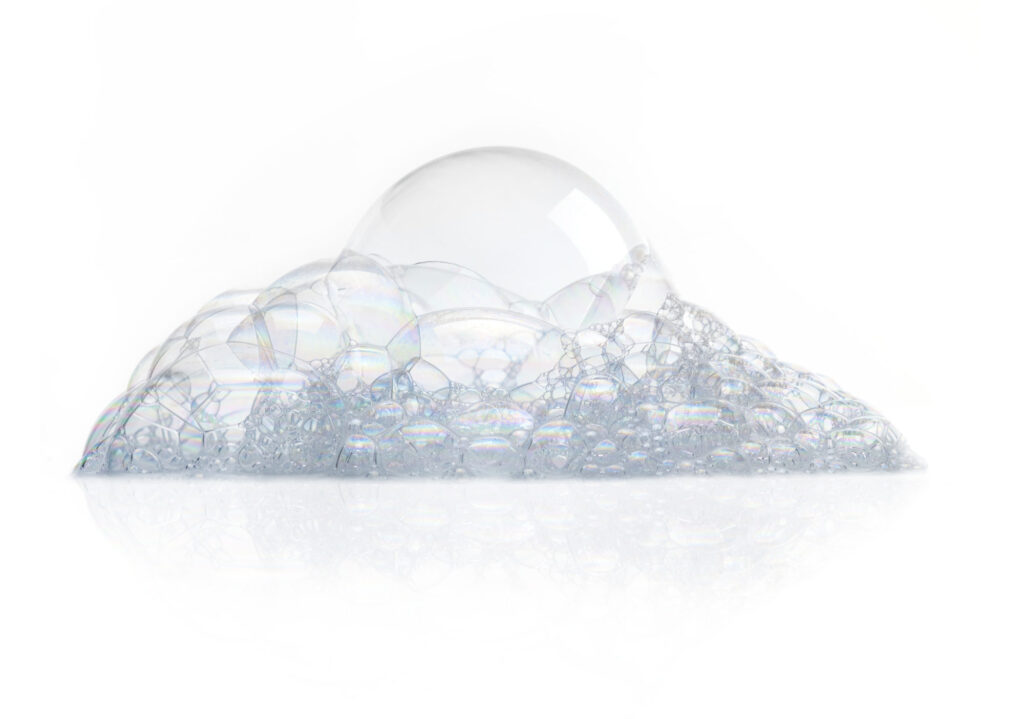
Foam formation is a common challenge in textile processes such as washing, dyeing, and finishing. Excessive foam can disrupt machine performance, reduce process efficiency, and increase production time. To address this issue, defoaming agents are widely used. Among them, oil-based defoamers are popular due to their fast action and high efficiency.


What Is an Oil-Based Defoamer?

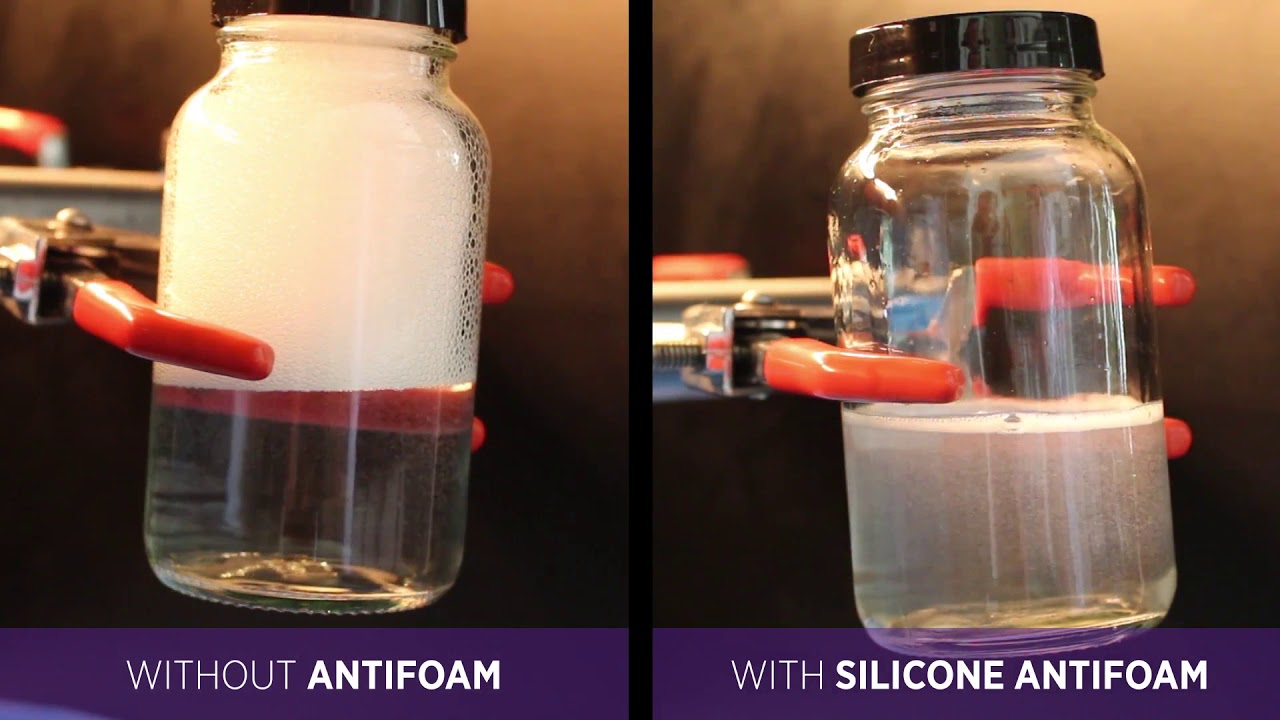
An oil-based defoamer is a chemical agent formulated from mineral or synthetic oils, used to control and eliminate foam in aqueous systems. It works by penetrating foam bubbles, destabilizing them, and preventing their reformation.These defoamers typically contain base oil, emulsifiers, and performance-enhancing additives.
Mechanism of Action

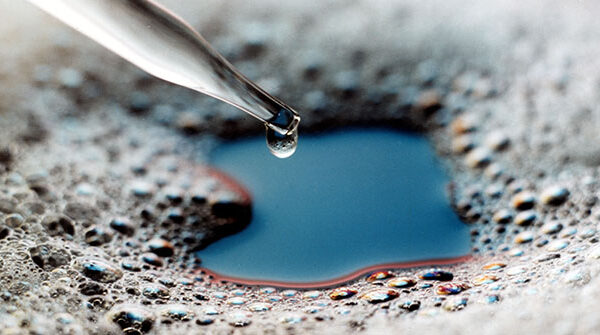
Oil-based defoamers act by reducing surface tension and destabilizing the thin liquid film surrounding foam bubbles. When applied:

  • They penetrate the foam structure

  • Weaken the bubble walls

  • Cause bubbles to collapse

This process occurs rapidly and effectively controls foam formation.

Key Features of Oil-Based Defoamers

1. Fast Acting

Eliminates foam quickly.

2. Effective at Low Dosage

Provides strong performance even in small quantities.

3. Stability Across Conditions

Performs well over a wide range of temperatures and pH levels.

4. Compatibility with Textile Processes

Suitable for various washing and dyeing systems.

5. Long-Lasting Effect

Prevents foam reformation over time.

Applications in the Textile Industry

  • Fabric washing baths

  • Dyeing processes (especially high-turbulence systems)

  • Textile finishing operations

  • Jet and jigger machines

  • Industrial water circulation systems

Advantages of Oil-Based Defoamers

  • Prevent machine disruption

  • Improve dyeing uniformity

  • Reduce water and energy consumption

  • Increase production speed

  • Enhance final fabric quality

Limitations and Considerations

  • May cause fabric staining if improperly selected

  • Requires careful selection based on process conditions

  • Overdosing can negatively affect final product quality

Selection Tips

  • Check compatibility with bath chemicals

  • Match with process temperature and pH

  • Consider fabric sensitivity

  • Perform trials before full-scale use

Conclusion

Oil-based defoamers are effective agents for controlling foam in textile processes. With fast action and cost efficiency, they significantly improve production performance and fabric quality. However, proper selection and controlled usage are essential to avoid potential issues and achieve optimal results.

Scroll to Top
Scroll to Top