Introduction

Soluble oil is widely used in various textile industry processes, particularly in spinning, weaving, and certain finishing operations. Due to its ability to form an emulsion with water, it provides effective lubrication while allowing easy washing afterward. Proper use of soluble oil enhances machinery performance, reduces wear, and improves final product quality.

 

What Is Soluble Oil?

Soluble oil is an industrial lubricant that forms a stable emulsion when mixed with water. It typically consists of mineral or synthetic base oils combined with emulsifiers and additives such as anti-wear agents, rust inhibitors, and stabilizers.In the textile industry, it is used for lubricating moving parts of machinery and in processes where temporary lubrication is required and subsequent washing is necessary.

Key Characteristics of Soluble Oil

1. Water Emulsification Capability

Easily mixes with water to form a stable emulsion, ensuring convenient application and removal.

2. Effective Lubrication

Reduces friction between metal components and between fibers and machine parts.

3. Cooling Performance

Helps dissipate heat in high-speed textile machinery.

4. Easy Removal from Fibers

Can be washed off easily during subsequent processing stages, leaving minimal residue.

5. Anti-Rust and Anti-Corrosion Properties

Protects metal parts from moisture and oxidation.

Applications in the Textile Industry

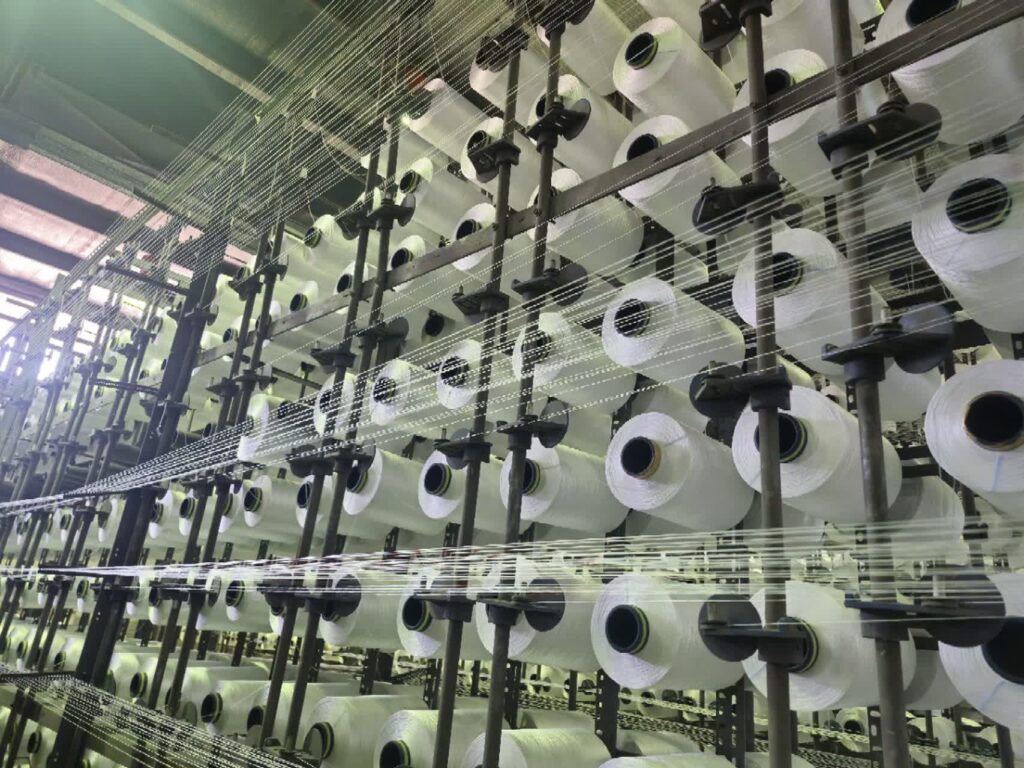
  • Natural and synthetic fiber spinning

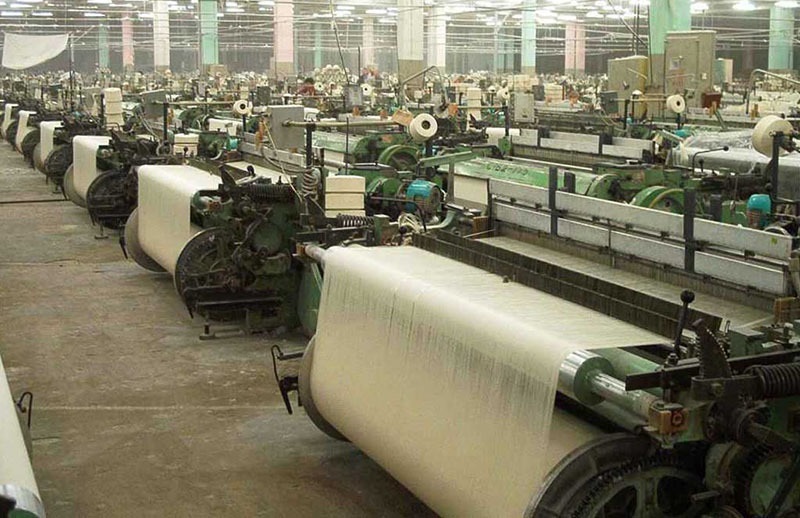
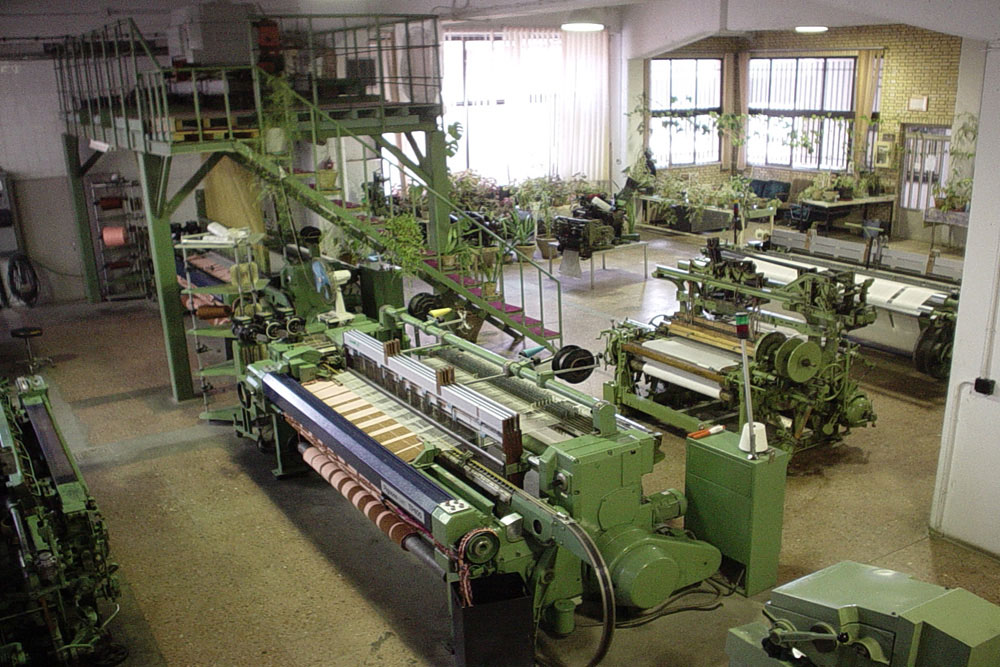
  • Weaving machine lubrication

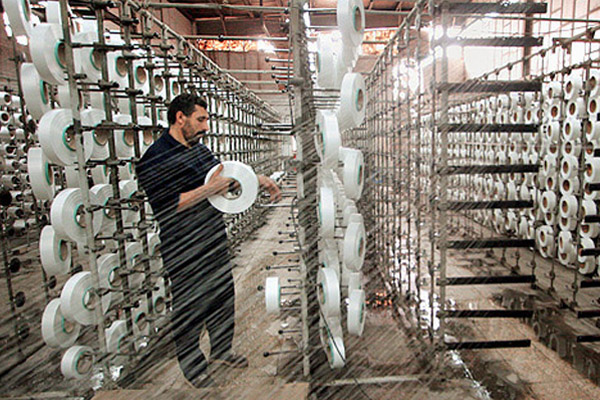
  • Yarn drawing and twisting processes

  • Temporary lubrication in finishing operations

  • Industrial cooling systems


Advantages of Using Soluble Oil

  • Reduced machine wear and longer equipment lifespan

  • Improved yarn and fabric surface quality

  • Decreased machine downtime

  • Easy washing during later production stages

  • Lower maintenance costs

Important Selection Considerations

  • Correct water-to-oil mixing ratio

  • Emulsion stability under varying temperatures

  • Compatibility with fiber types (cotton, polyester, viscose, etc.)

  • Compliance with environmental and safety standards

Limitations

  • Emulsion instability if improperly stored

  • Risk of microbial contamination in water-oil tanks

  • Incorrect mixing ratios may reduce effectiveness

Conclusion

Soluble oil is an essential lubricant in the textile industry, combining lubrication performance with easy washability. When properly selected and correctly mixed, it significantly improves machinery efficiency and product quality while reducing operational costs. Choosing the right formulation is a strategic factor in optimizing textile production processes.


Scroll to Top
Scroll to Top